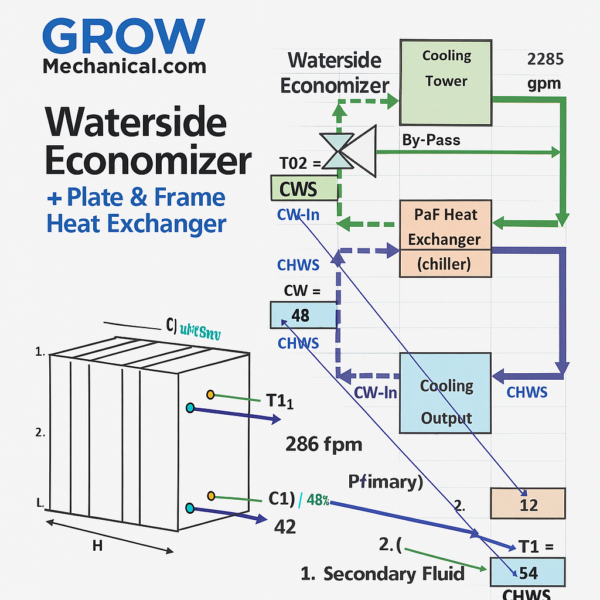
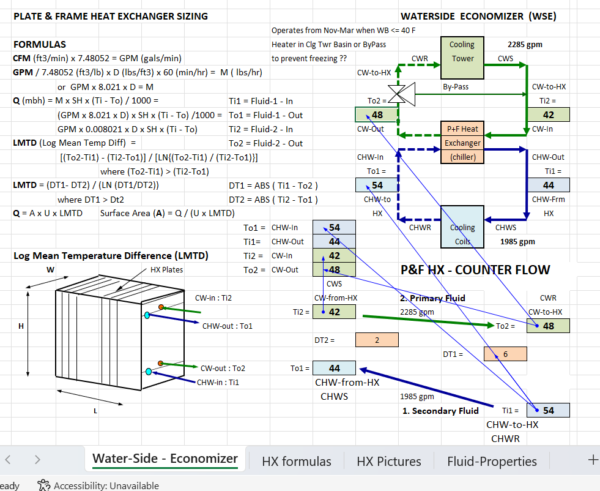
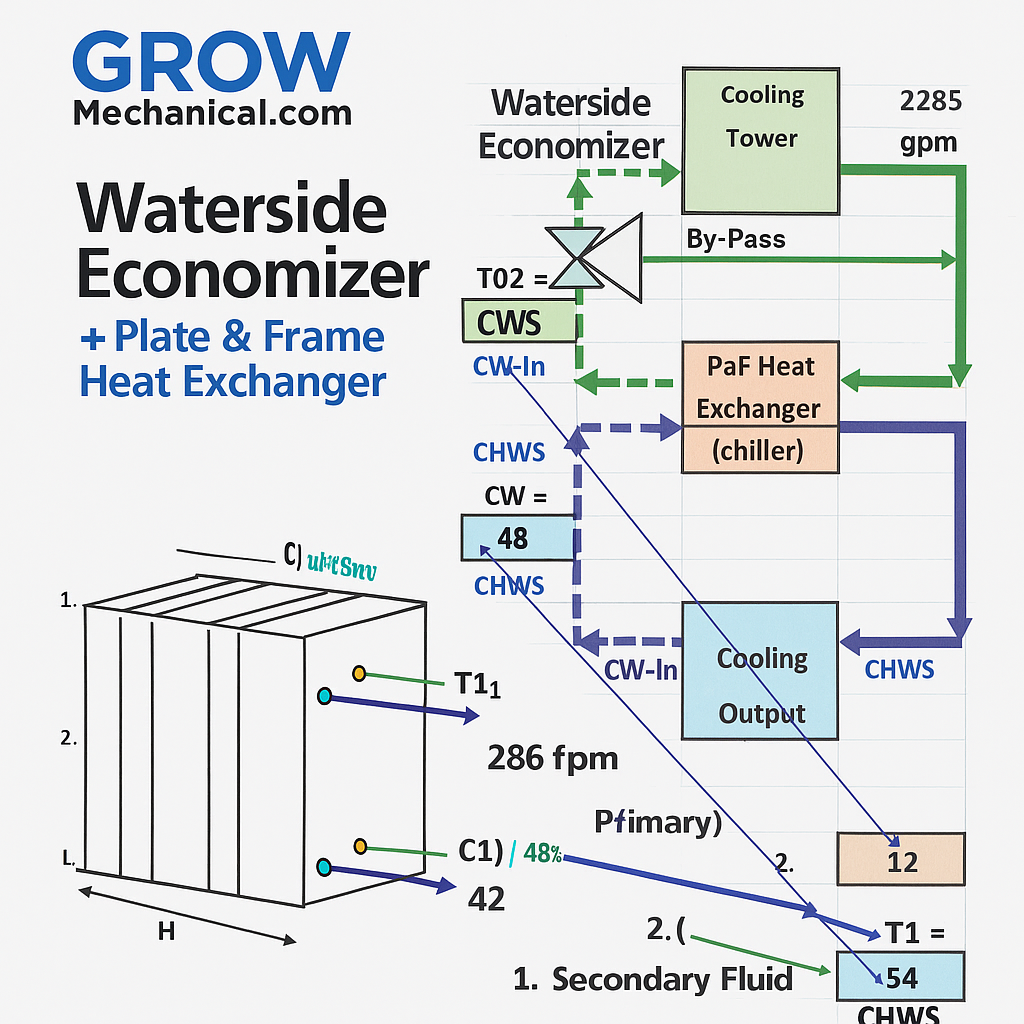
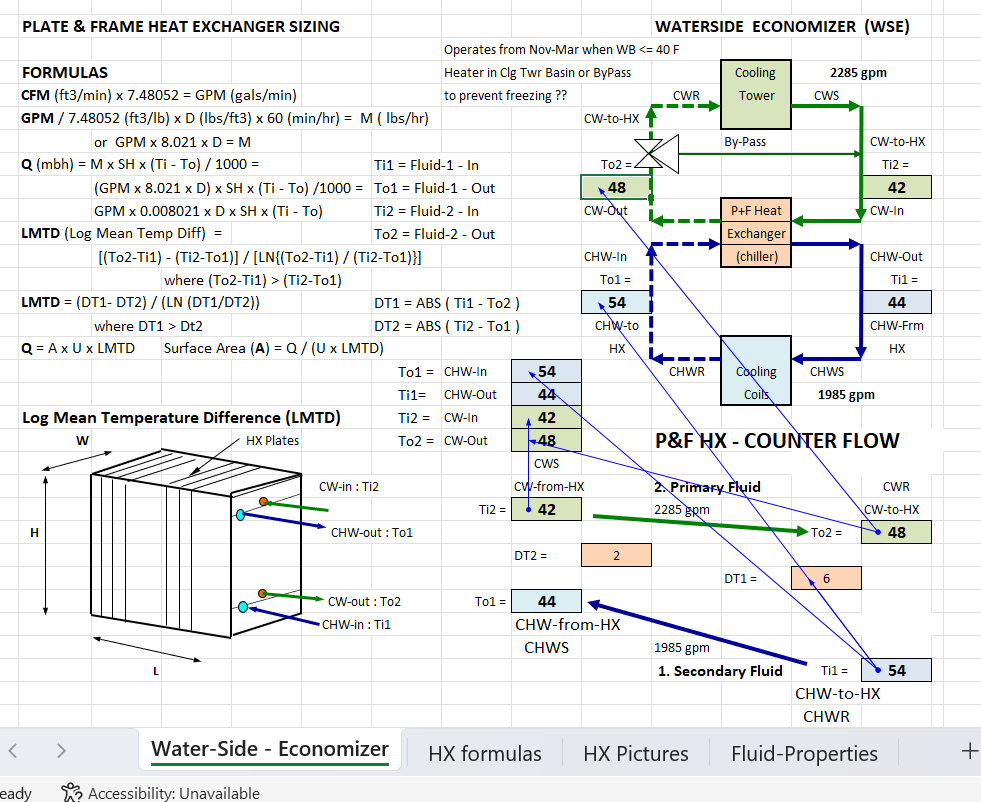
A waterside economizer uses a plate & frame heat exchanger to transfer heat directly from cooling tower water to the chilled water loop, bypassing the chiller during cool ambient conditions. Sizing this exchanger correctly — enough plate area and a tight enough approach temperature — determines how many hours per year you can run on free cooling. The Plate & Frame Heat Exchanger Excel Sheet from GrowMechanical automates this sizing calculation for HVAC and process cooling applications.
It is built for HVAC design engineers, mechanical engineers, and facility engineers sizing waterside economizer plate exchangers for commercial buildings, data centers, and process cooling systems.
How a Waterside Economizer Works
- Cooling tower water is routed through the plate & frame heat exchanger.
- The exchanger transfers heat from the chilled water return to the cooling tower water without mixing the two fluid streams.
- The chiller stays off, or runs at minimal load, whenever ambient wet-bulb conditions allow the cooling tower to produce sufficiently cold water — saving energy and reducing operating costs.
What This Sheet Calculates
- Heat duty from chilled water flow rate and design temperature difference
- LMTD for the counter-flow plate arrangement
- Required plate heat transfer area from your target overall U-value
- Approach temperature between cooling tower supply water and chilled water return
- Estimated pressure drop across the plate pack (input-based)
Why Use This Sizing Sheet
- Save Engineering Time: Size a waterside economizer plate exchanger without building the heat duty and LMTD calculation from scratch.
- Reduce Design Errors: A structured, formula-driven approach reduces the risk of undersizing the exchanger and missing free-cooling hours.
- Standardized Methodology: Consistent sizing approach makes energy-savings calculations easier to document and defend to stakeholders.
Key Features
- Plate & frame counter-flow sizing calculation optimized for waterside economizer duty
- Heat duty, LMTD, and required area calculation in one sheet
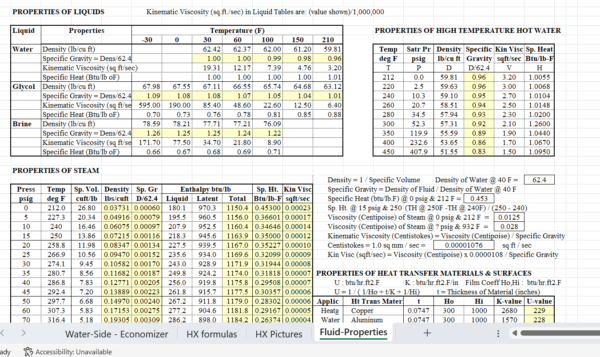
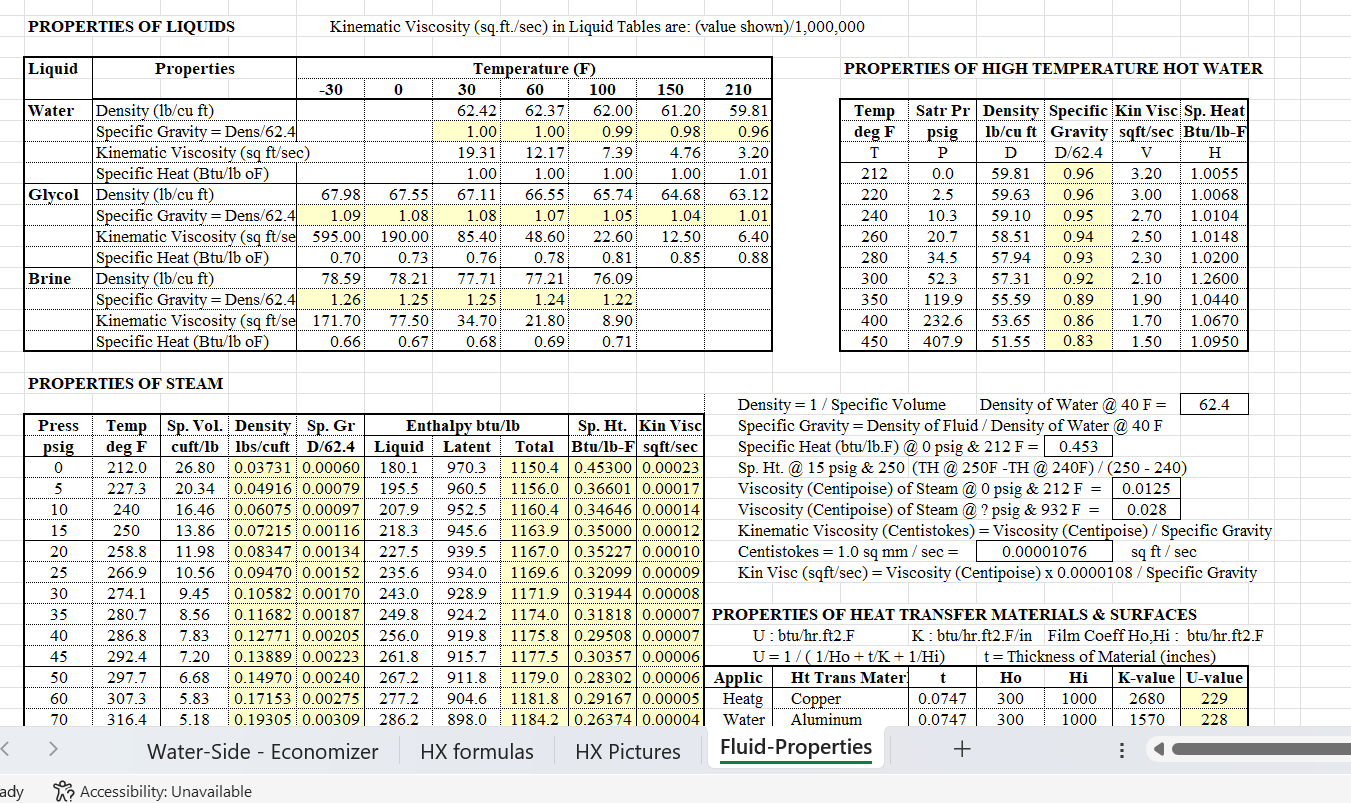
- Supports chilled water, condenser water, and glycol applications
- Fully editable formulas — no hidden cells
- Works offline in Microsoft Excel
Technical Specifications
| Parameter |
Details |
| File Format |
Microsoft Excel (.xlsx) |
| Exchanger Type |
Plate & frame, counter-flow arrangement |
| Primary Application |
Waterside economizer (WSE) free-cooling for HVAC and process cooling |
| Key Outputs |
Heat duty, LMTD, required plate area, approach temperature |
| Editable |
Yes — all formulas open for review |
| Internet Required |
No — works fully offline |
Applications
- Commercial building HVAC waterside economizer systems
- Data center free-cooling systems
- Process cooling in manufacturing facilities
- Pharmaceutical facility HVAC cooling loops
- District cooling plants
Who Should Use This Sheet
- HVAC design engineers sizing waterside economizer systems
- Mechanical engineers evaluating free-cooling energy savings
- Facility and energy engineers assessing chiller runtime reduction
- Consultants preparing economizer feasibility studies
What You’ll Receive
- Editable Excel sheet with plate & frame heat exchanger sizing calculations
- Heat duty, LMTD, area, and approach temperature outputs
- Lifetime access with a single, one-time purchase
Compatibility
- Microsoft Excel 2010 or later (Windows or Mac)
- No macros or add-ins required
- Works fully offline once downloaded
How to Use This Sheet
- Enter chilled water flow rate and design supply/return temperatures.
- Enter cooling tower water supply temperature and target approach.
- Review the calculated heat duty and LMTD for the counter-flow arrangement.
- Enter or select a target overall U-value to calculate required plate area.
- Use the approach temperature result to estimate expected free-cooling hours for your climate.
For a general plate exchanger design tool, see our Plate Heat Exchanger Design Excel Sheet. See also our Cooling Tower Design Excel Sheet and Shell and Tube Heat Exchanger Excel Sheet. Explore the Engineering Design & Calculation Master Excel Bundle, or browse the complete product catalog.
Frequently Asked Questions
What is a waterside economizer?
A waterside economizer uses a plate & frame heat exchanger to transfer heat directly from cooling tower water to a building’s chilled water loop during cool ambient conditions, allowing the chiller to stay off or run at reduced load.
How is this different from a general plate heat exchanger sizing sheet?
This sheet is built specifically around waterside economizer sizing — approach temperature between cooling tower and chilled water loops, and the specific temperature ranges typical of HVAC free-cooling duty. For general plate exchanger sizing across other process services, see our Plate Heat Exchanger Design Excel Sheet.
What approach temperature should I target?
Tighter approach temperatures (smaller difference between cooling tower supply and chilled water return) generally require more plate area but expand the number of hours free cooling is available. Typical design approach values are project- and climate-specific.
Can this sheet be used for glycol systems?
Yes, the sheet supports chilled water, condenser water, and glycol applications; adjust fluid properties accordingly for glycol-based loops.
Does this replace a full mechanical plate exchanger vendor selection?
No. This sheet provides a sizing estimate for feasibility and design purposes; final plate count, gasket material, and pressure rating should be confirmed with your exchanger vendor’s selection software.
Ready to size your waterside economizer plate exchanger? Get the Plate & Frame Heat Exchanger Excel Sheet today and start capturing free-cooling hours with confidence.