

DESIGN OF STEEL CHIMNEY / STACK SELF SUPPORTED EXCEL SHEET
₹2,999.00 Original price was: ₹2,999.00.₹1,999.00Current price is: ₹1,999.00.
In Stock
A self-supported steel chimney has to survive more than just the flue gas it carries — wind loading, seismic events, and vortex-induced vibration all govern the structural design just as much as gas velocity and stack height. The Steel Chimney / Stack Design Excel Sheet from GrowMechanical brings the structural calculation side of stack design into one spreadsheet: wind and seismic loads, shell thickness, base plate sizing, anchor bolts, and dynamic stability checks.
It is built for civil, structural, and mechanical engineers designing new self-supported steel stacks for power plants, refineries, chemical plants, and process facilities, and for consultants verifying an existing stack’s structural adequacy.
What This Chimney Design Sheet Calculates
- Wind load along the stack height, including gust and shape factors
- Seismic base shear and overturning moment
- Shell thickness at multiple elevations, including corrosion allowance
- Base plate thickness and anchor bolt sizing
- Natural frequency of the stack and vortex-shedding resonance check
- Foundation loads: base shear, overturning moment, and total weight
Why Structural Design Matters as Much as Gas Sizing
Wind Load Governs Tall, Slender Stacks
Because self-supported stacks are tall and relatively slender, wind loading is frequently the governing design case rather than the flue gas pressure itself. This spreadsheet calculates wind pressure distribution along the stack height and resulting base shear and overturning moment.
Vortex Shedding Can Cause Resonance
Wind flowing across a cylindrical stack can generate periodic vortex shedding; if the shedding frequency matches the stack’s natural frequency, resonance and fatigue damage can result. This spreadsheet checks natural frequency against the critical wind speed range to flag resonance risk early in design.
Base and Foundation Loads Must Be Consistent
Base plate thickness, anchor bolt sizing, and foundation design all depend on the same overturning moment and base shear values. Calculating these together in one workbook keeps every downstream structural check consistent with the same governing load case.
Key Features
- Fully editable Excel workbook with visible, auditable formulas
- Wind and seismic load calculation with governing case comparison
- Shell thickness calculation at multiple stack elevations
- Base plate and anchor bolt sizing
- Natural frequency and vortex-shedding resonance check
- Editable summary sheet for structural design documentation
Technical Specifications & Calculation Basis
| Parameter | Calculation Basis |
|---|---|
| Wind load | Height-varying wind pressure with gust and shape factors, consistent with standard stack wind-load practice |
| Seismic load | Base shear and overturning moment from stack mass and seismic zone parameters |
| Shell thickness | Combined bending and axial stress check with corrosion allowance |
| Natural frequency | Cantilever structure frequency estimate checked against vortex-shedding critical wind speed |
| Base plate & anchor bolts | Overturning moment and base shear converted to bolt tension and plate bending checks |
| File format | Microsoft Excel (.xlsx), fully editable formulas |
Typical Applications
- Power plant boiler and process stacks
- Refinery and petrochemical flare and vent stacks
- Chemical plant process gas stacks
- Structural verification of existing self-supported stacks
- New stack design for industrial facility expansions
Who Should Use This Calculator
Civil and structural engineers, mechanical engineers responsible for stack design, EPC structural teams, and consultants who need to size or verify a self-supported steel chimney against wind, seismic, and dynamic stability requirements.
What You’ll Receive
- One fully editable Excel workbook covering wind, seismic, shell, and base design
- Instant digital download after purchase
- Lifetime access to your downloaded file
- Free updates if the calculation sheet is revised
Compatibility
Compatible with Microsoft Excel 2010 and later, and Excel for Microsoft 365, on Windows and Mac.
How to Use This Chimney Design Sheet
- Enter stack height, diameter, and shell thickness at each elevation
- Input site wind speed and seismic zone parameters
- Review calculated wind and seismic base shear and overturning moment
- Check the natural frequency versus vortex-shedding resonance result
- Review base plate and anchor bolt sizing, then export the summary sheet
For the gas-side sizing of the same stack — diameter, velocity, and draft — see our steel chimney/stack sizing Excel sheet. If the stack serves a scrubber system, see our scrubber design and selection Excel sheet, and for associated fan or blower ducting, our filter sizing calculation spreadsheets cover downstream particulate removal. Vessel and structural weight checks are covered in our vessel weight check calculator. For a full project package, see the Engineering Design & Calculation Master Excel Bundle or browse our full library of process engineering Excel calculators.
Frequently Asked Questions
Does this cover both wind and seismic design cases?
Yes. The spreadsheet calculates wind and seismic loading independently and helps you identify which case governs the structural design at each stack elevation.
What is vortex shedding and why does it matter for a chimney?
Vortex shedding is periodic wind-induced vibration that occurs as air flows across a cylindrical structure. If the shedding frequency coincides with the stack’s natural frequency, it can cause resonance and fatigue damage over time; this spreadsheet checks for that risk.
Does this include base plate and anchor bolt design?
Yes, base plate thickness and anchor bolt sizing are calculated from the same overturning moment and base shear values used in the wind and seismic load calculations.
Is this suitable for both new design and existing stack verification?
Yes. Engineers use this spreadsheet both to design new self-supported stacks and to verify that an existing stack remains structurally adequate under current wind or seismic design requirements.
How is the file delivered?
As an instant digital download immediately after purchase, so you can begin your chimney structural design the same day.
Get Your Steel Chimney Design Sheet Today
Stop juggling wind, seismic, and dynamic stability calculations across separate references. Download the Steel Chimney / Stack Design Excel Sheet and get a complete structural design check in minutes.
Related products
-
 Sale!
Sale!
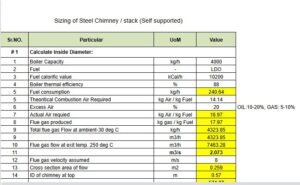
SIZING OF STEEL CHIMNEY / STACK SELF SUPPORTED
₹2,999.00Original price was: ₹2,999.00.₹1,999.00Current price is: ₹1,999.00. Sale! Add to cart Add to cart Quick View -
 Sale!
Sale!
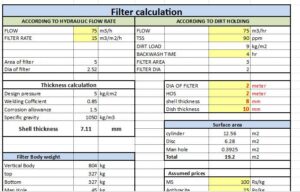
DOWNLOAD FILTER DESIGN EXCEL SHEET
₹2,999.00Original price was: ₹2,999.00.₹1,999.00Current price is: ₹1,999.00. Sale! Add to cart Add to cart Quick View -
Sale!
FILTER SIZING CALCULATION SPREADSHEETS
₹2,999.00Original price was: ₹2,999.00.₹1,999.00Current price is: ₹1,999.00. Sale! Add to cart Add to cart Quick View -
 Sale!
Sale!
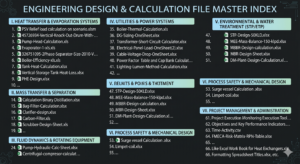
Engineering Design & Calculation Master Excel Bundle (65+ Industrial Sheets)
₹19,999.00Original price was: ₹19,999.00.₹9,999.00Current price is: ₹9,999.00. Rupees Sale! Add to cart Add to cart Quick View

